Don't List Yet: How to Avoid Leaving Money on the Table Before Your Home Hits the Market

What if the difference between a strong offer and a disappointing one has nothing to do with your asking price?
Many homeowners spend weeks worrying about staging, paint colors, and décor. Yet the biggest threats to their sale price are often the small maintenance issues they barely notice anymore.
A faint musty smell. A stained ceiling. Cracked caulk. A loose handrail. Dead landscaping. An HVAC filter that should have been replaced months ago.
These details may seem insignificant, but buyers see them differently.
The moment buyers spot signs of neglect, a powerful shift happens. Instead of imagining family dinners, holidays, and life in the home, they start wondering what repairs are waiting around the corner — and how much those repairs will cost them.
They begin asking: Has this home been cared for? What problems will show up during the inspection? How much money will I need to spend after closing? Should I lower my offer?
That uncertainty can quietly cost sellers thousands of dollars through lower offers, repair requests, and longer time on the market.
The good news? You do not need a full renovation to protect your home's value.
The sellers who consistently achieve stronger results focus on one thing above all else: buyer confidence. By identifying and addressing the issues that create doubt before listing, you can help buyers feel more comfortable, more competitive, and more willing to pay top dollar.
Buyers Notice More Than Sellers Do
When you live in a home long enough, you stop seeing its flaws.
You know the bathroom fan is loud. You know one room gets warmer than the others. You know the garage smells a little musty.
To you, those are quirks.
To buyers, they are clues.
Once buyers start noticing signs of deferred maintenance, they stop imagining themselves living in the home and start calculating future repairs. That shift can happen during the first showing, long before inspections or negotiations begin.
The Goal Is Not Perfection
Many sellers assume they need expensive upgrades before listing.
In reality, most homes do not need a full renovation.
A smart agent focuses on removing doubt, not creating perfection.
Buyers want a home that feels clean, maintained, and trustworthy. Small repairs and basic maintenance often deliver a better return than major remodeling projects.
Fix the Obvious Issues First
The easiest way to lose buyer confidence is through neglected maintenance.
Common examples include burned-out light bulbs, dirty vents, cracked caulk, loose handles, slow drains, broken blinds, wobbly ceiling fans, dead landscaping, and stained concrete.
These issues send a message. If the small things were ignored, buyers may assume bigger problems were ignored too.
Before listing, walk through your home as if you were seeing it for the first time. Pay attention to what you smell, hear, and notice immediately.
Curb Appeal Shapes First Impressions
Buyers form opinions before they ever step inside.
A clean walkway, trimmed landscaping, working exterior lights, and a welcoming front door all communicate that the home has been cared for.
Simple improvements such as pressure washing, fresh mulch, window cleaning, and minor touch-ups can make a significant difference without a major investment.
Do Not Let the Inspection Surprise You
One of the worst positions for a seller is learning about problems from the buyer's inspector.
Roof concerns, HVAC issues, plumbing leaks, drainage problems, or safety hazards can quickly lead to repair requests, credits, or lower offers.
The goal is not to fix everything. The goal is to understand your home's condition before negotiations begin so you can make informed decisions.
Buyers Care About Comfort and Condition
Today's buyers look beyond cosmetic updates.
They pay attention to HVAC performance, roof condition, utility costs, air quality, moisture issues, and overall comfort.
A room that feels hot, a musty odor, or signs of water damage can create concerns that affect offers.
Odors deserve special attention. Buyers may overlook outdated finishes, but unpleasant smells often create an immediate negative reaction. Address the source rather than trying to cover it up.
Focus on Trust Builders
Before listing, prioritize three areas:
1. Fix Trust Breakers
Address issues that create concern, including water stains, odors, safety hazards, visible damage, moisture problems, and HVAC concerns.
2. Improve First Impressions
Focus on cleanliness, curb appeal, lighting, decluttering, landscaping, and paint touch-ups.
3. Be Careful With Major Upgrades
Large renovations do not always deliver a strong return.
New countertops will not erase concerns about a roof leak or poor drainage. Spend strategically rather than assuming bigger projects automatically add value.
Documentation Matters
Maintenance records, service reports, warranties, permits, and repair receipts help reduce buyer uncertainty.
When sellers can provide documentation, negotiations often become smoother because buyers feel more confident about the home's condition.
The Real Goal Before Listing
Can buyers trust this house?
Cleanliness, maintenance, curb appeal, safety, and documentation all contribute to that answer.
When buyers trust a home, they are more comfortable making strong offers.
When they do not, they protect themselves with lower offers and repair requests.
How HomeGPA Helps Before You List
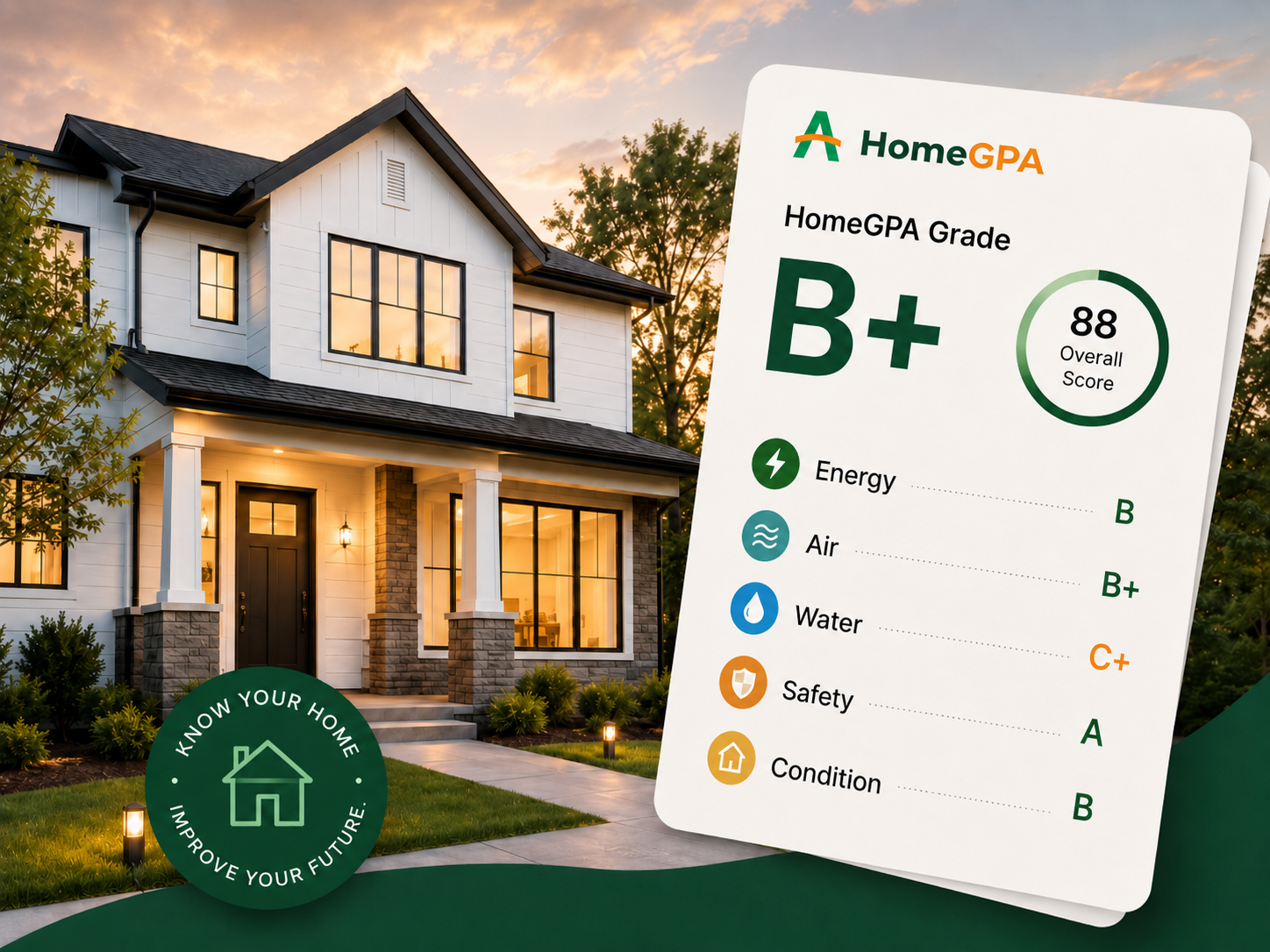
HomeGPA helps homeowners evaluate their property before buyers, inspectors, and negotiations uncover potential concerns.
It grades key areas that influence buyer confidence, including energy, air, water, safety, condition, and weather readiness.
Instead of guessing what needs attention, sellers gain a clearer understanding of where the home is strong and where improvements may help protect value.
Final Thought
Do not list your home blind.
Fix the issues that create doubt. Avoid unnecessary upgrades. Understand your home's strengths and weaknesses before buyers do.
The best time to discover potential concerns is before the listing goes live — not after an inspection or a reduced offer.
Before buyers grade your home with lower offers, know your HomeGPA first.
Know Your Home's Grade
Your home affects your comfort, energy bills, air quality, water performance, safety, and long-term value. HomeGPA helps you understand how your home performs and what to improve first.
Related articles
Why Every Home Should Have a Grade
Most homeowners know their credit score, but not how well their home performs. Here's why a HomeGPA changes that.
Read article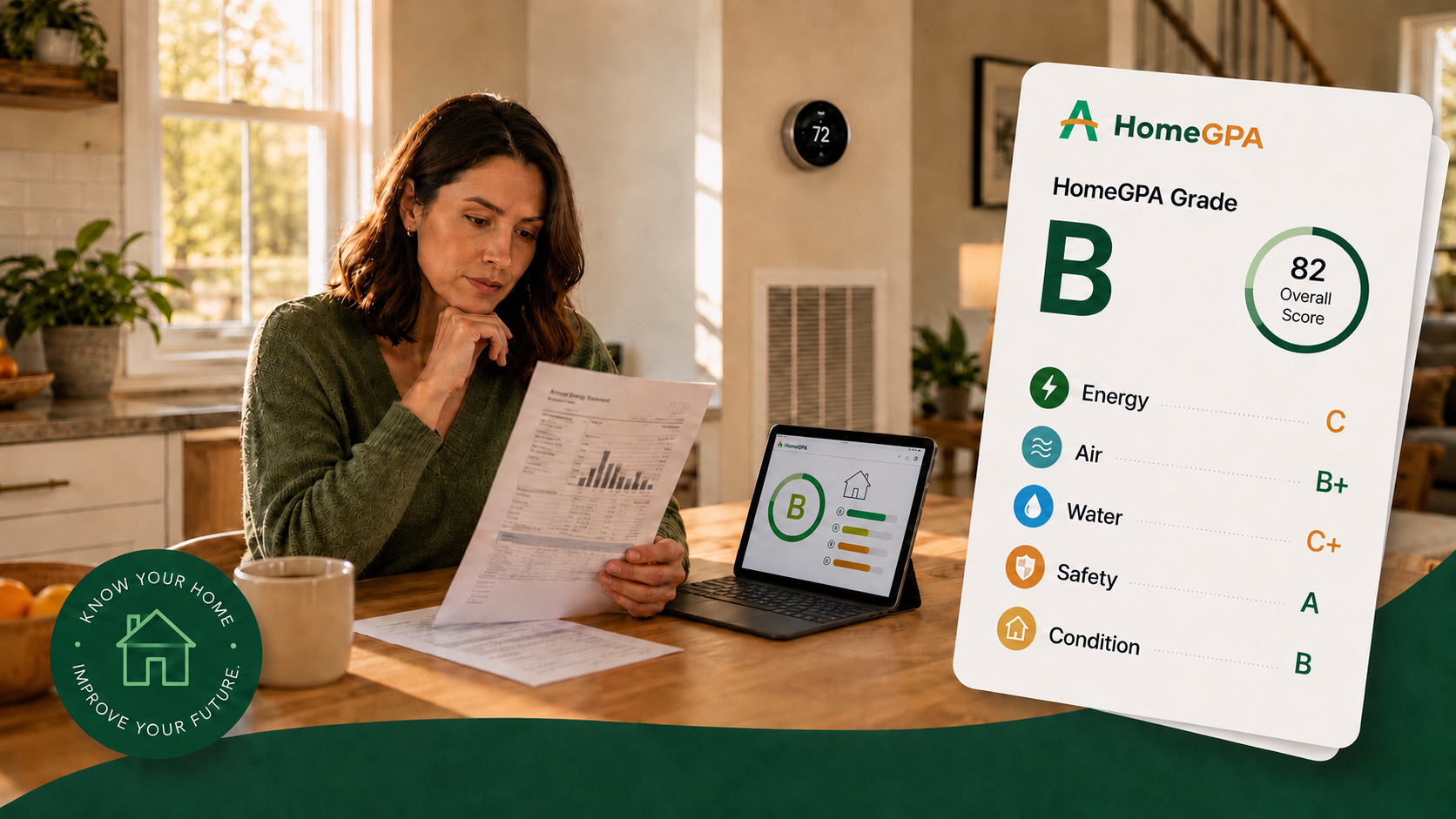
What Your Energy Bill May Be Telling You About Your Home
Your monthly bill is a quiet report card on insulation, ductwork, windows, and HVAC. Here's how to read it.
Read article
Why Indoor Air Quality Matters More Than Most Homeowners Think
Dust, allergens, and humidity quietly shape comfort, sleep, and health. Here's what affects the air inside your home — and what to do.
Read article