Florida's Wake-Up Calls: Hurricanes Milton, Helene & Ian
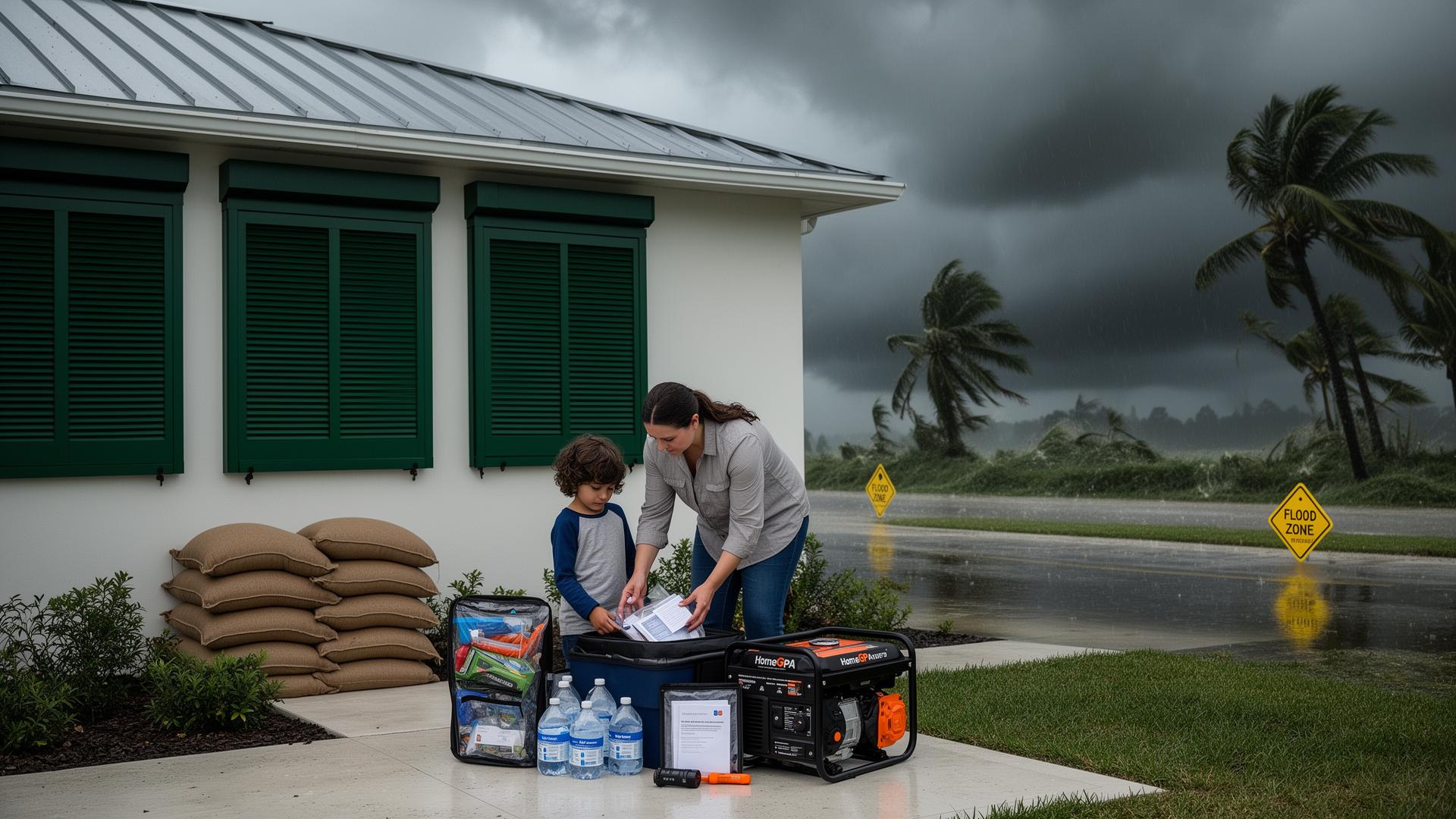
Florida does not need another reminder that hurricanes are dangerous. We have had enough reminders.
Ian tore through Southwest Florida. Helene slammed into the Big Bend and sent destruction far inland. Milton crossed the state after becoming one of the strongest Atlantic hurricanes ever recorded.
Different storms. Different paths. Same lesson.
A storm-ready home is not just a home with shutters.
It is a home with a plan, a roof that has been checked, drainage that works, backup power options, safe water, insurance documents, emergency supplies, and a family that knows what to do before the panic starts.
That is the difference between reacting and being ready.
The Last Three Wake-Up Calls
Hurricane Ian made landfall in Southwest Florida as a Category 4 hurricane, producing catastrophic storm surge, damaging winds, and historic freshwater flooding across central and northern Florida. Ian was responsible for more than 150 direct and indirect deaths and more than $112 billion in damage, making it the costliest hurricane in Florida history.
Hurricane Helene made landfall near Perry, Florida, in September 2024 as a powerful Category 4 hurricane. It became the strongest hurricane on record to strike Florida's Big Bend region and caused catastrophic flooding across parts of the Southeast. Helene's total costs were estimated at $78.7 billion, and the National Hurricane Center reported at least 250 U.S. fatalities.
Hurricane Milton reached Category 5 strength over the Gulf before weakening and making landfall near Siesta Key, Florida, as a Category 3 hurricane in October 2024. Milton caused major damage across the Sarasota and Tampa Bay areas, widespread flooding, destructive storm surge, and a major tornado outbreak across Florida.
The Stories Behind the Numbers
Ian showed what water can do.
When people think hurricane, they usually think wind. Ian proved water is often the bigger threat. In parts of Southwest Florida, storm surge overwhelmed entire neighborhoods. Homes were damaged, foundations were exposed, and communities like Fort Myers Beach were changed overnight.
The lesson for homeowners is simple: even if your roof survives the wind, water can still destroy the home.
Helene showed that the storm does not end at landfall.
Helene hit Florida's Big Bend, but its impact stretched far beyond the coast. Flooding, power outages, blocked roads, and damaged infrastructure affected communities across multiple states. A hurricane does not have to pass directly over your house to disrupt your life.
The lesson: your home is part of a bigger system. Roads, power, water, cell service, and access to supplies all matter.
Milton showed how small track changes can change everything.
Milton became one of the most intense hurricanes ever recorded in the Gulf before landfall. Tampa Bay avoided the worst-case storm surge scenario, but the storm still caused major damage, flooding, power outages, and tornadoes across Florida.
The lesson: waiting for the forecast to be perfect is not a plan. By the time everyone knows exactly where a storm is going, supplies are gone, contractors are booked, and the window to prepare is closing.
Why Preparation Matters
Preparedness does not stop the storm. It changes what happens before, during, and after it.
A prepared homeowner makes decisions earlier. They know their evacuation zone. They know whether their home can handle wind and rain. They have supplies ready. They have documents copied. They have alerts set up. They are not trying to figure everything out while everyone else is panicking.
Being prepared helps protect your family, reduce preventable property damage, lower stress during emergency decisions, speed up recovery after the storm, avoid last-minute supply shortages, improve communication when power or cell service is limited, and give homeowners a clear action plan before hurricane season.
What Most Homeowners Overlook
Most people prepare the obvious things: water, batteries, gas, flashlights, maybe shutters.
But the real gaps are usually deeper.
Your roof may already have weak points before a storm arrives. Your gutters may be clogged. Your drainage may be sending water toward the house instead of away from it. Your garage door may be the weakest opening on the home. Your HVAC and indoor air quality may become a problem after water intrusion. Your generator may not be installed or used safely. Your insurance photos may be outdated. Your family may not actually know the evacuation plan.
Storm readiness should be treated like a home performance category, not a last-minute checklist.
The HomeGPA Storm Readiness Checklist
Know Your Zone
Understand your evacuation zone, flood risk, local alerts, and evacuation route.
Know Your Home
Review your roof, windows, doors, garage door, drainage, trees, gutters, and weak points before storm season.
Build a 7-Day Emergency Kit
Include water, food, medication, batteries, flashlights, first aid, pet supplies, baby supplies, hygiene items, and important documents.
Plan for Power Outages
Have backup charging, flashlights, battery packs, safe generator placement, surge protection, and a plan for refrigeration or medical equipment.
Protect Against Water
Check gutters, downspouts, grading, drainage, flood-prone areas, and moisture risks after the storm.
Document Everything
Take photos and videos of your home, roof, major systems, appliances, valuables, and important receipts before storm season.
Review Insurance
Know what your policy covers, what it excludes, and whether you need separate flood coverage.
Make a Family Plan
Include children, pets, elderly family members, medications, meeting locations, communication, and where everyone goes if evacuation is required.
Final Thought
The goal is not to scare homeowners. The goal is to help them stop guessing.
Florida homeowners do not need another storm to teach the same lesson. Ian, Helene, and Milton already made the point.
A storm-ready home protects more than the structure. It protects your family, your money, your comfort, your recovery time, and your peace of mind.
Before the next storm shows up on the map, know your home. Know your risk. Know what needs to be fixed.
That is what storm readiness really means.
Sources
NOAA National Hurricane Center Tropical Cyclone Reports, NOAA Office for Coastal Management Hurricane Costs, Florida Division of Emergency Management, National Weather Service Hurricane Preparedness.
Know Your Home's Grade
Your home affects your comfort, energy bills, air quality, water performance, safety, and long-term value. HomeGPA helps you understand how your home performs and what to improve first.
Related articles
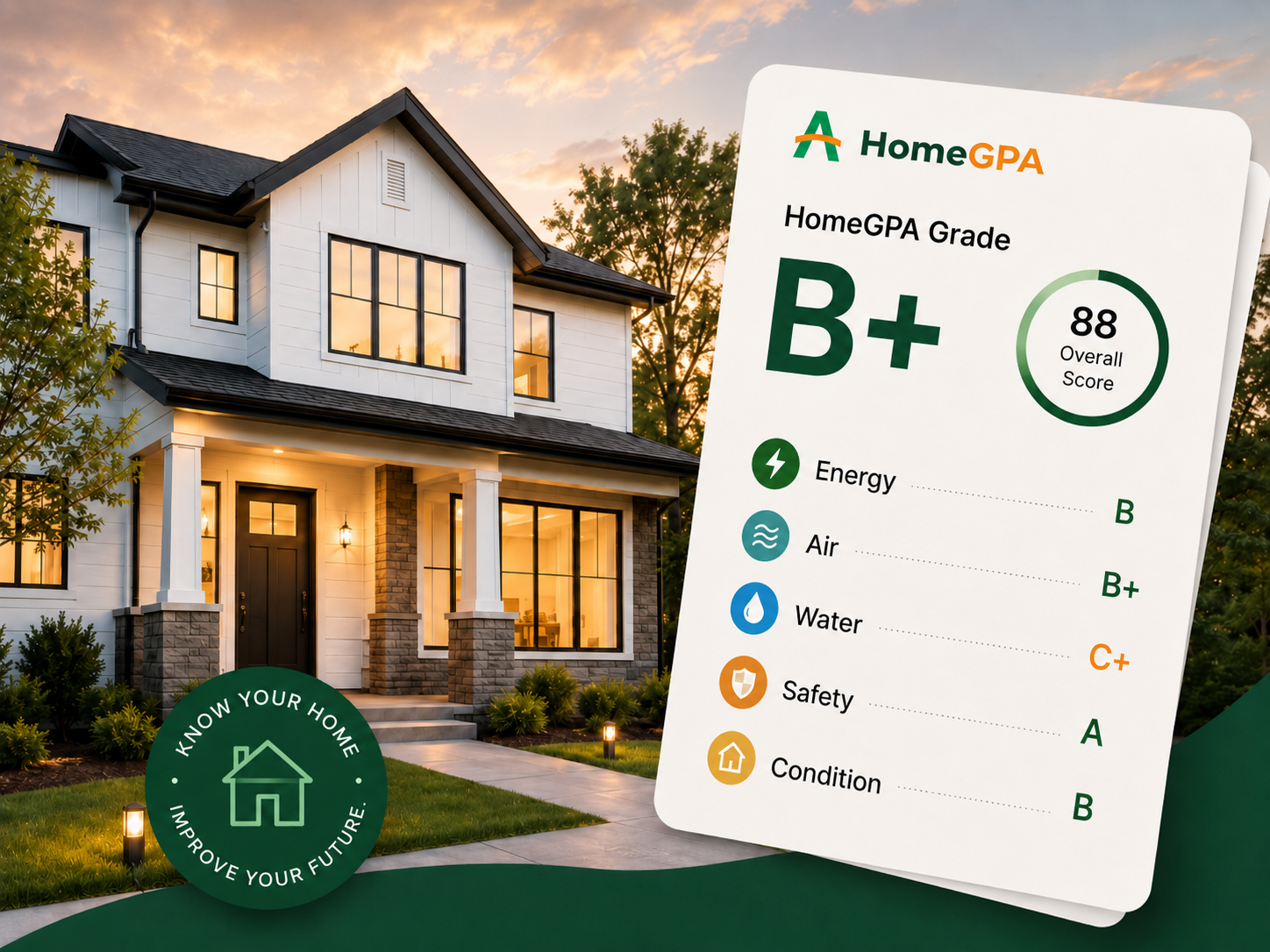
Why Every Home Should Have a Grade
Most homeowners know their credit score, but not how well their home performs. Here's why a HomeGPA changes that.
Read article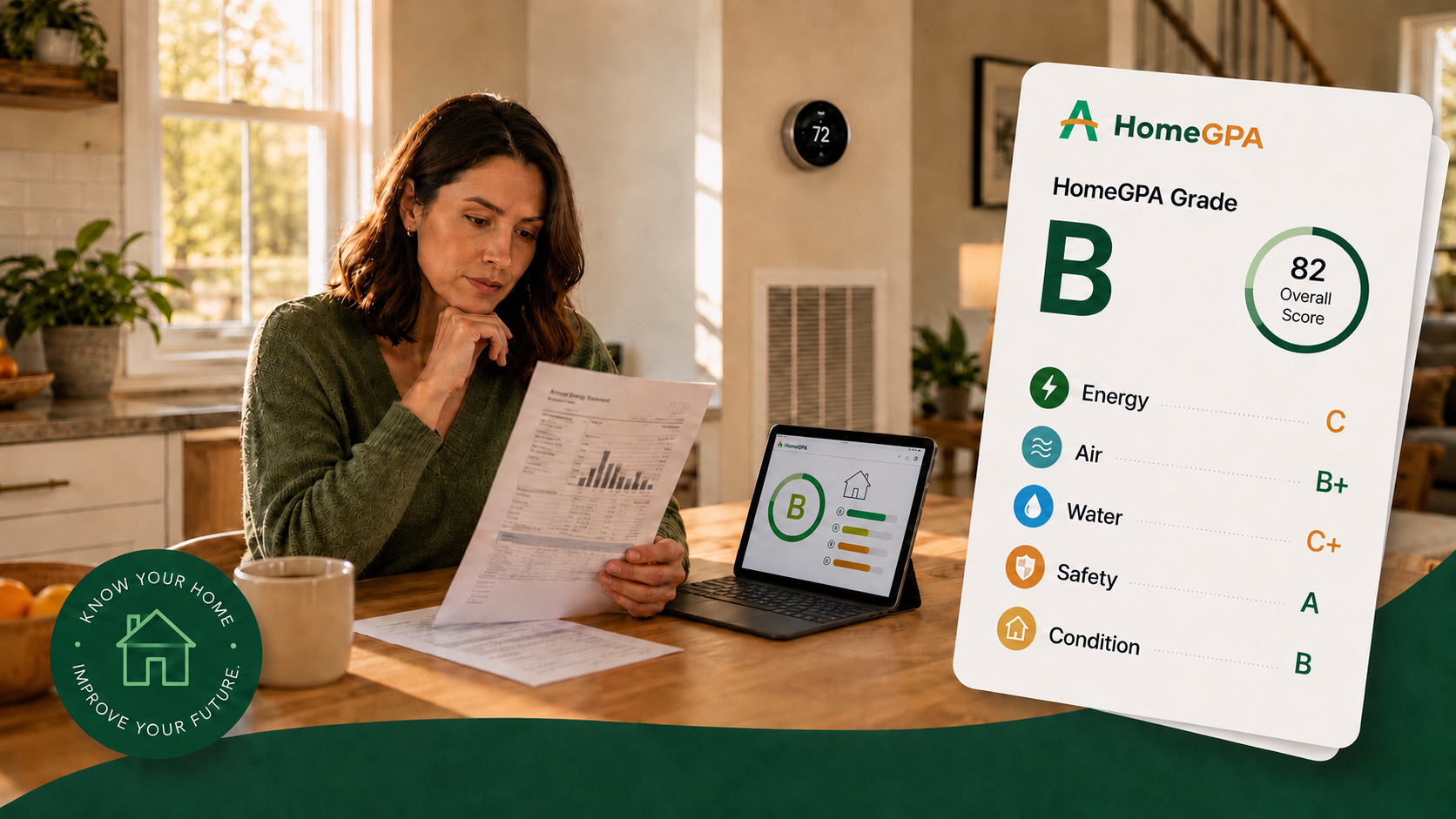
What Your Energy Bill May Be Telling You About Your Home
Your monthly bill is a quiet report card on insulation, ductwork, windows, and HVAC. Here's how to read it.
Read article
Don't List Yet: How to Avoid Leaving Money on the Table Before Your Home Hits the Market
What if the difference between a strong offer and a disappointing one has nothing to do with your asking price? Small maintenance issues buyers notice can quietly cost sellers thousands.
Read article