How Water Quality Affects Your Home and Everyday Living
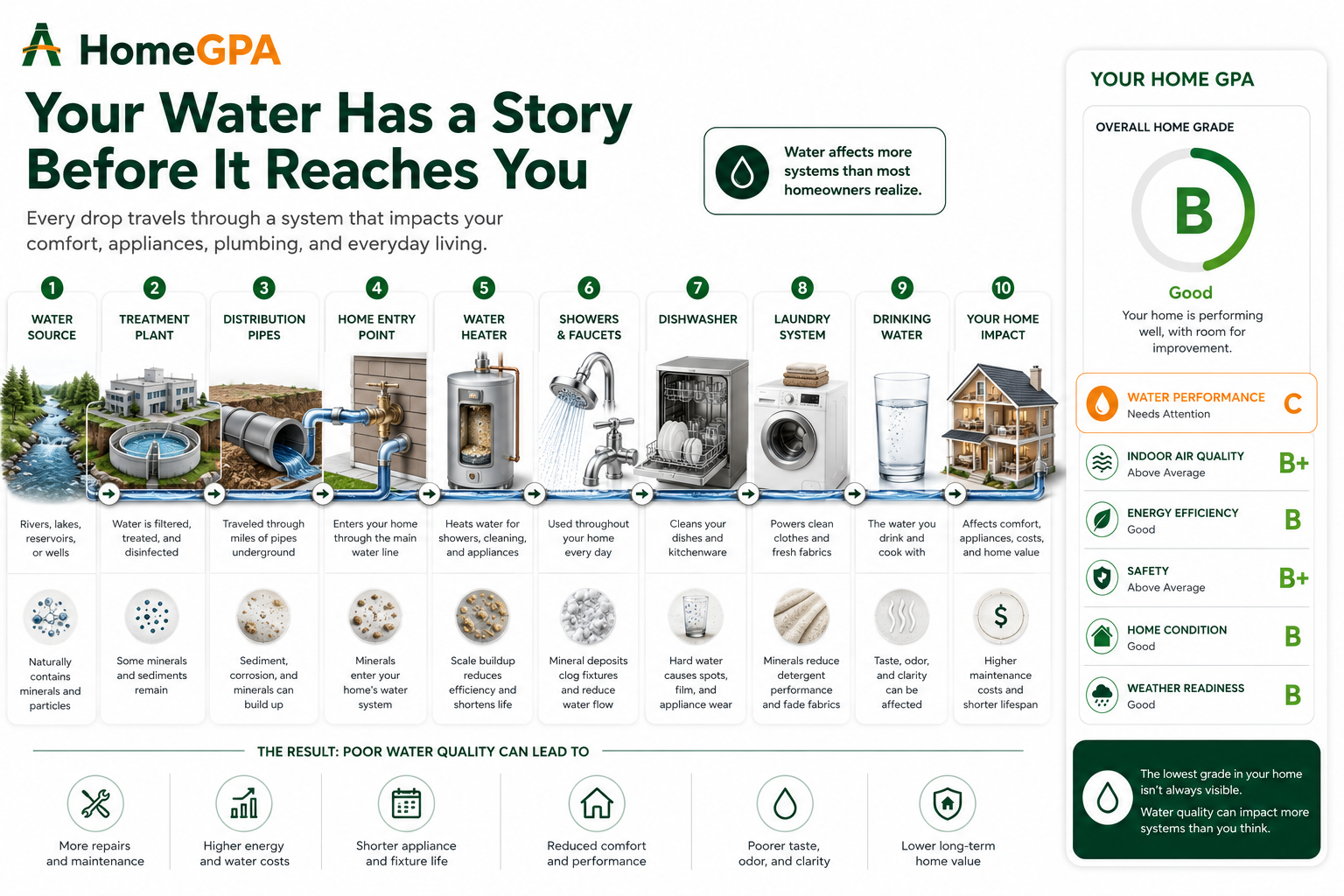
The dishwasher isn't cleaning like it used to.
The shower glass always looks spotted.
The water heater seems to need repairs more often.
The coffee tastes different depending on where you are.
Most homeowners think these are separate issues.
They're not.
In many cases, they're all connected to one thing: the quality of the water flowing through the home.
Water is one of the most used resources in any house. We cook with it, drink it, bathe in it, clean with it, and rely on it to power many of the systems that make modern living comfortable.
Yet most homeowners rarely think about water quality until something starts going wrong.
The reality is that water doesn't just affect what comes out of your faucet. It can influence your comfort, your appliances, your plumbing system, your maintenance costs, and even the long-term performance of your home.
The Hidden Role Water Plays in Your Home
Think about how many times you interact with water throughout the day.
You start your morning with a shower. You brush your teeth. You make coffee. You wash dishes. You run the washing machine. You fill a pet's water bowl. You water plants. You use ice from the refrigerator.
Water touches nearly every part of daily life.
Behind the scenes, it's also working through a network of pipes, fixtures, valves, appliances, water heaters, and filtration systems that keep your home running smoothly.
When water quality is good, most homeowners never notice it.
When it isn't, the effects slowly begin to appear.
What Is Hard Water?
One of the most common water quality issues in many parts of the country is hard water.
Hard water simply means the water contains elevated levels of naturally occurring minerals, primarily calcium and magnesium.
These minerals aren't necessarily harmful to drink, but they can create challenges inside the home over time.
You may recognize some common signs: white residue around faucets, spots on dishes and glassware, soap that doesn't lather easily, scale buildup on showerheads, and stains in sinks, tubs, and toilets.
Many homeowners view these as minor annoyances. In reality, they may be early indicators that water is affecting the performance of systems throughout the home.
How Water Quality Affects Your Home
Water Heaters
Your water heater is one of the hardest-working appliances in your home.
When mineral-rich water is heated repeatedly, scale can begin forming inside the tank or on heating elements.
Over time, this buildup can reduce efficiency, increase energy use, shorten equipment lifespan, and lead to more frequent maintenance.
A water heater struggling with mineral buildup often works harder to produce the same results.
Plumbing Systems
Water flows through hundreds of feet of plumbing hidden behind walls, ceilings, and floors.
Over time, mineral deposits can accumulate inside pipes.
This buildup may contribute to restricted water flow, reduced water pressure, and increased wear on plumbing components.
Most homeowners never see these issues developing until they become noticeable.
Fixtures and Faucets
Those white deposits around faucets and showerheads aren't just cosmetic.
Mineral accumulation can affect water flow, spray patterns, fixture appearance, and long-term durability.
Small deposits today can become larger maintenance issues tomorrow.
Appliances
Many household appliances depend on water, including dishwashers, washing machines, ice makers, refrigerators, and water heaters.
When water quality declines, these appliances may experience increased wear, reduced efficiency, and shorter service lives.
The result is often higher maintenance costs over time.
The Impact on Everyday Living
Water quality affects more than equipment. It affects everyday experiences inside your home.
Showers and Bathing
Hard water can make it more difficult for soap to rinse cleanly.
Some homeowners notice dry skin, dull hair, soap residue, and reduced comfort.
Laundry
Mineral-rich water can impact how detergents perform.
Clothes may feel stiffer, appear duller, or require additional detergent to achieve the same results.
Cleaning
Many homeowners become frustrated by water spots on dishes, streaks on glass, and residue on fixtures.
What looks like a cleaning issue may actually be a water quality issue.
Drinking Water
Taste and odor concerns are often what first draw attention to water quality.
While many water sources are safe, homeowners frequently notice differences in taste, smell, clarity, and overall drinking experience.
These factors can influence how often families choose to drink water directly from the tap.
Water Quality and Home Performance
HomeGPA looks at homes as systems. Water performance isn't isolated.
It affects appliance efficiency, plumbing longevity, maintenance costs, daily comfort, and long-term home performance.
A home with water quality issues may spend more money on maintenance, repairs, and equipment replacement over time.
A home with strong water performance often experiences better efficiency, longer equipment life, fewer maintenance headaches, and improved homeowner satisfaction.
The goal isn't perfection. It's understanding how your home is performing today and where improvements may have the greatest impact.
Signs Your Home May Have Water Quality Issues
Many homeowners live with water quality issues without realizing it.
Common signs include spots on dishes and glassware, white scale around faucets, staining in sinks or toilets, reduced water pressure, frequent appliance repairs, dry skin after showering, strange tastes or odors, and water heaters that seem to age prematurely.
None of these signs automatically indicate a major problem. But together, they can provide valuable clues about what's happening inside your home's water system.
Why Knowing Your Water Grade Matters
Most homeowners know their home's value. Many know their monthly utility bills. Few know how their water is affecting their home.
That's why water performance is part of HomeGPA.
Understanding your water grade helps provide a clearer picture of how your home is functioning as a whole.
Not just how the water tastes. But how it affects comfort, maintenance, efficiency, appliance longevity, and long-term home value.
When homeowners understand their home's water performance, they can make more informed decisions about where improvements matter most.
The Bottom Line
Most homeowners know how much water they use. Few know how that water is affecting their home.
Understanding water quality isn't just about what comes out of the faucet. It's about protecting the systems, appliances, and people that depend on it every day.
Because the better your home performs, the better it works for you.
Know Your Home's Grade
Your home affects your comfort, energy bills, air quality, water performance, safety, and long-term value. HomeGPA helps you understand how your home performs and what to improve first.
Related articles
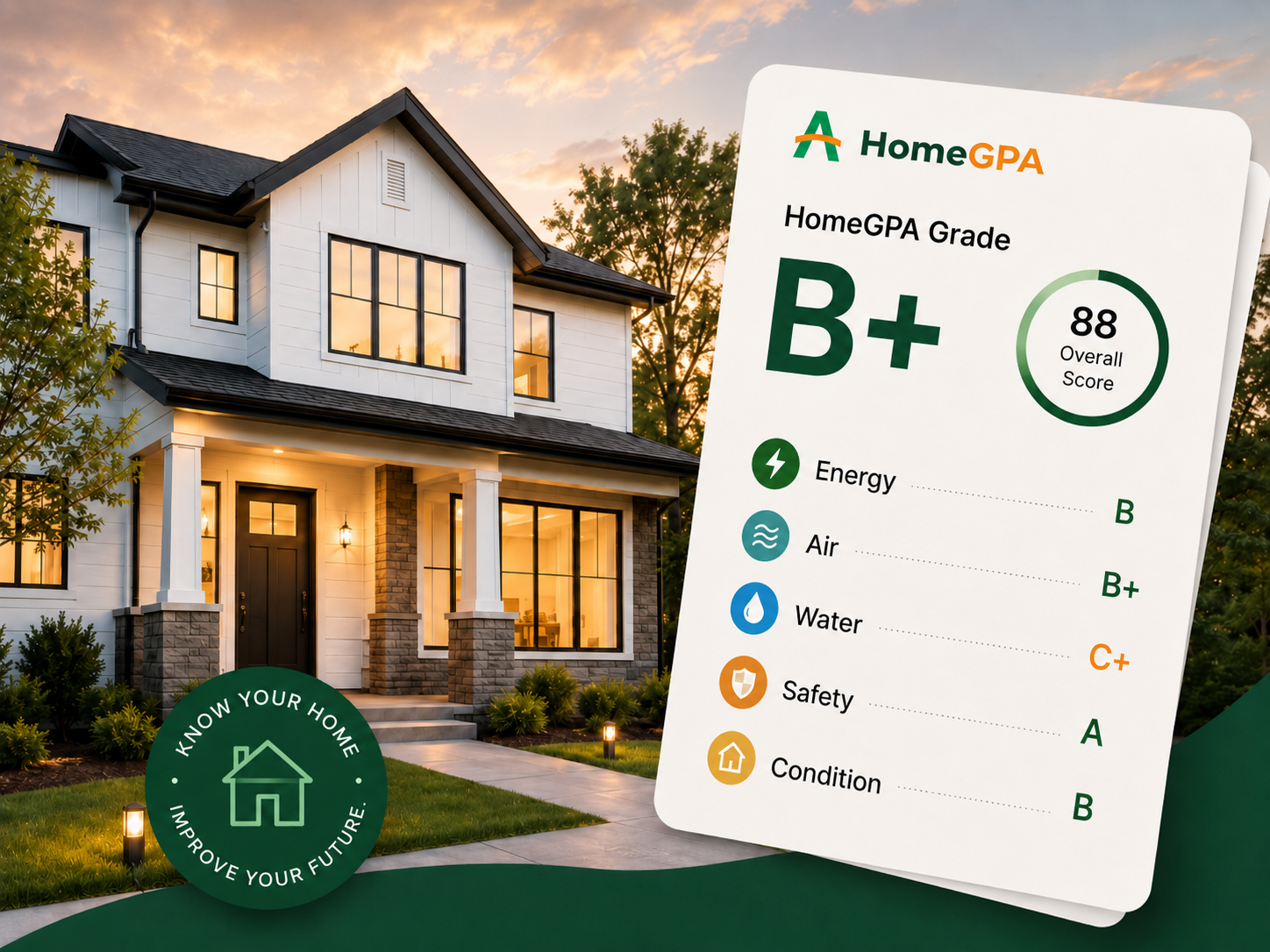
Why Every Home Should Have a Grade
Most homeowners know their credit score, but not how well their home performs. Here's why a HomeGPA changes that.
Read article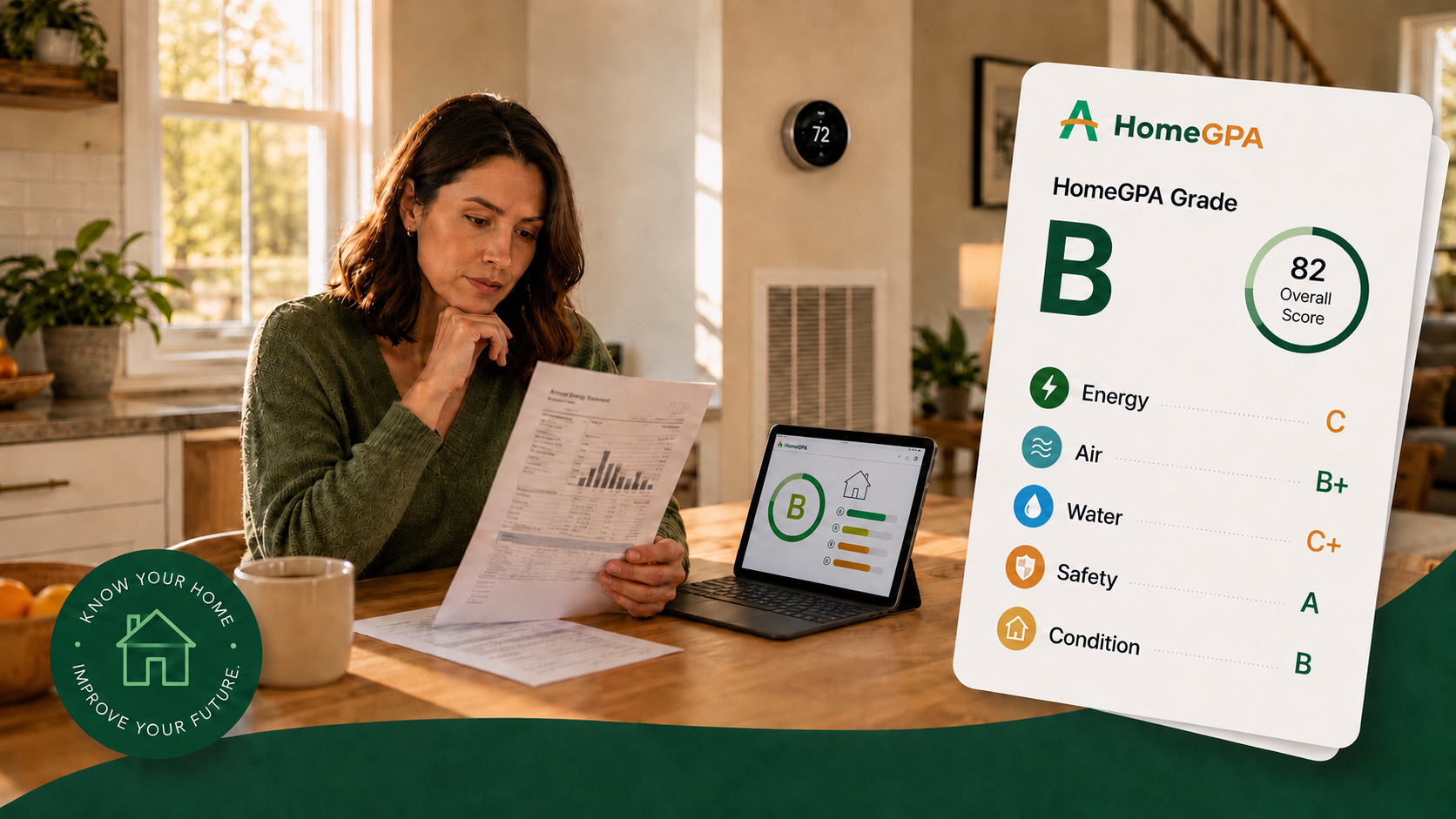
What Your Energy Bill May Be Telling You About Your Home
Your monthly bill is a quiet report card on insulation, ductwork, windows, and HVAC. Here's how to read it.
Read article
Don't List Yet: How to Avoid Leaving Money on the Table Before Your Home Hits the Market
What if the difference between a strong offer and a disappointing one has nothing to do with your asking price? Small maintenance issues buyers notice can quietly cost sellers thousands.
Read article